
Neurology is a specialised field of medicine dedicated to the diagnosis and treatment of conditions affecting the nervous system, including the brain, spinal cord, and peripheral nerves. Neurological disorders range from common conditions such as migraines and epilepsy to complex diseases like stroke, Alzheimer’s disease, Parkinson’s disease, and multiple sclerosis.
Accurate diagnosis plays a critical role in neurological care. Advanced investigations such as MRI scans, CT scans, EEGs, and nerve conduction studies help specialists identify conditions early and plan targeted treatment. Leading hospitals offer comprehensive neurological care using modern technology, minimally invasive techniques, and internationally accepted treatment protocols.
Brain tumour treatment depends on the tumour’s size, type, and location. Care may include surgery, radiation therapy, or advanced techniques to remove or control tumour growth while protecting surrounding brain function.
Cranioplasty is a surgical procedure to repair or replace a portion of the skull removed due to injury or previous surgery. It helps protect the brain, restore head shape, and support neurological recovery.
AVMs are abnormal connections between arteries and veins in the brain. Treatment aims to prevent bleeding and may include surgery, targeted radiation, or minimally invasive procedures based on the condition’s complexity.
CyberKnife is a non-surgical radiation treatment that precisely targets brain tumours or abnormal tissues. It delivers high-dose radiation without incisions, reducing damage to healthy tissue and supporting faster recovery.
A non-invasive, high precision radiation therapy, used to treat brain tumors, vascular malformations, and certain nerve disorders without incisions, offering faster recovery and minimal damage to surrounding brain tissue.
VP shunt surgery treats excess fluid buildup in the brain by inserting a thin tube to drain fluid safely into the abdomen. This helps relieve pressure and improve symptoms such as headaches or vision problems.
DBS surgery involves placing electrodes in specific brain areas to control abnormal signals. It is commonly used to reduce symptoms of Parkinson’s disease, tremors, and movement disorders when medications are not effective.
Brain aneurysm treatment prevents rupture of weakened blood vessels. Options include surgical clipping or minimally invasive coiling to reduce the risk of bleeding and protect brain health.
Hydrocephalus occurs when fluid builds up in the brain. Treatment focuses on relieving pressure through shunt placement or endoscopic procedures, helping improve balance, vision, and daily functioning.
Craniotomy is a surgical procedure where a small section of the skull is temporarily removed to access the brain. It is performed to treat tumours, bleeding, injuries, or other neurological conditions.
Epilepsy surgery is considered when seizures cannot be controlled with medication. The procedure targets the brain area causing seizures to reduce their frequency and improve overall quality of life.
VNS surgery involves implanting a device that sends mild electrical signals to the vagus nerve. It helps reduce seizure frequency in patients with epilepsy who do not respond to standard treatments.

Dr. Anurag Saxena
Neurosurgeon, Neurologist
MBBS | MS | MCh | FRCS
21+ Years of Experience

Dr. Sandeep Vaishya
Neuro & Spine Surgeon
MBBS | MS | MCh Neuro Surgery
35+ Years of Experience

Dr. Rana Patir
Neurosurgeon
MBBS | MS | MCh Neuro Surgery
34+ Years of Experience

Dr. Sudhir Dubey
Neuro & Spine Surgeon
MBBS | MCh – Neuro Surgery
31+ Years of Experience
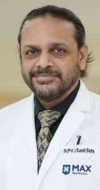
Dr. (Prof) Sumit Sinha
Neuro & Spine Surgeon
MBBS | MS | DNB | MCh
27+ Years of Experience

Dr. Harnarayan Singh
Neuro & Spine Surgeon
MBBS | MS | MCh Neuro Surgery
20+ Years of Experience